Advancing Health Equity Through Community-Centered Bioethics
Annual Health Equity for All Symposium
Disability Ethics in the Public Square
This HEFA2025 public bioethics symposium explores how the ethics of disability, health, and community life can radically reshape our collective future.
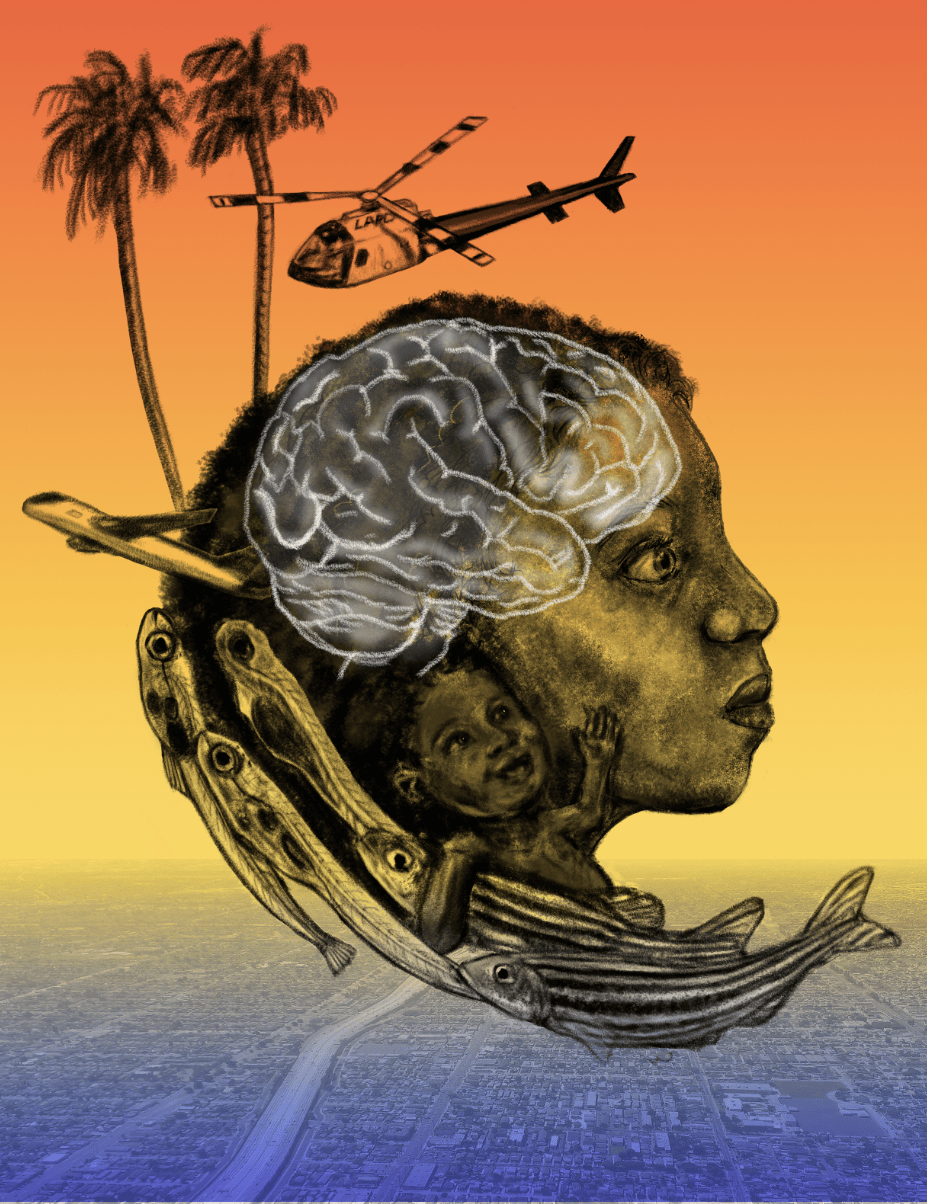
Learn about our work with UCLA’s Tornini Lab exploring how heat and sound pollution impact brain development in South LA. This project raises urgent ethical questions about environmental injustice, community health, and how the places we live shape our development.
Leveraging ethics to advance health equity in our communities.
Bioethics Educational Forums
Areítos Cafe
Areítos Café, named after the Taíno tradition of areítos—ceremonial gatherings of story, song, and shared memory—is a monthly bioethics forum held on the last Thursday of each month. We bring urgent ethical conversations to the public—where community and culture meet critical questions about health, science, and social justice.
Leading the Movement to Redefine Ethics in Health from the Ground Up
At Prospera Institute, we believe that ethics, values, and beliefs about health belong not only in hospitals or classrooms—but in the communities where health is lived, shaped, and defined.
Our mission is to reimagine bioethics as a tool for advancing health equity by addressing the ethical and moral questions that emerge at the intersection of community health, culture, and society.
Areas of Ethical Inquiry
Social Determinants of Health
We explore how factors like housing, education, income, environment, and access to care shape health outcomes. This pillar helps us uncover the systems and structures that impact health long before someone enters a doctor’s office.
Science, Technology and Society
We believe that life science and tech must serve communities, not just institutions. This pillar allows us to explore the ethics behind innovation, ensuring that progress doesn’t deepen disparities or overlook marginalized voices in research, data, and design.
Health and Human Rights
We see health as a human right—not a privilege. This pillar grounds our work in the belief that dignity, justice, and access must be non-negotiable in all health systems.
Arts, Health and Culture
We believe ethics also lives in the artistic and cultural practices as tools for dialogue, healing, and meaning-making. This pillar recognizes the power of the arts and culture in shaping how communities understand health, illness, and healing.
How we leverage ethics to advance health equity in our communities.
Our Impact
Community Members Served
200+
People directly served, with countless more reached through events, panels, and public initiatives.
Advocates Mobilized
400+
Public health and disability advocates who pushed to reform Massachusetts’ Crisis Standards of Care.
Active & Ongoing Partnerships
4
UCLA Tornini Lab, UCLA-CDU Center, Esperanza Community Housing, and Morehouse School of Medicine.
Increase Bioethics Literacy
We make ethical concepts and frameworks accessible to the public—so that individuals, families, and communities can better understand and navigate the moral questions that shape health, science, and care.
Engage Communities in Ethical Dialogue
We partner with communities—especially those historically marginalized—to co-create space for dialogue, reflection, and action on the ethical dilemmas emerging in healthcare, public health, the environment, and beyond.
Train the Next Generation of Ethical Leaders
We equip students, professionals, and emerging leaders with the tools to integrate ethics into their work—from clinical practice to policy-making to grassroots organizing.
Our Story
The vision was simple yet powerful—to bring the perspectives of communities into the heart of bioethics.
Bioethics is the study of ethical questions that come up in health, medicine, and science. It helps us think critically about what is fair, just, and respectful when it comes to decisions that affect people’s lives and wellbeing.
Bioethics encourages us to consider not just what we can do with medical or public health resources—but what we should do, especially when lives, rights, and communities are at stake.
Bioethicists help people, institutions, and communities think through complex questions about health, science, and care—especially when there’s no easy answer. They examine what is fair, what is right, and what should guide decision-making when health, values, and justice are on the line.
Bioethicists come from many fields. Most are trained professionals with a primary background in areas like:
Medicine
Public Health
Law
Research
Community Organizing
Policy
What they share is specialized training in ethics and a deep understanding of how to apply ethical principles to real-world situations.
You’ll find bioethicists working in:
Hospitals
Universities
Government
Community Settings
Bioethicists help us:
Ask better questions and make the hard choices
Guide public health decisions and consider different perspectives
Raise awareness about ethical concerns in society and work toward decisions that are thoughtful, inclusive, and just
Because understanding what’s the right thing to do in the context of healthcare, science, and policy requires more than opinions—it requires evidence, learning, and action.
Research helps us explore real-life ethical issues—like who gets access to care, how new technologies affect communities, or how racism and inequality shape health outcomes. It gives us the information we need to ask better questions and propose meaningful solutions.
Education gives people the tools to understand and engage with ethical issues—whether they’re students, health workers, or community members. When more people are equipped to think critically about health and justice, we build stronger, more informed communities.
Social action (advocacy) takes what we learn and turns it into change. Whether it’s pushing for fairer policies, amplifying community voices, or holding institutions accountable, this work makes sure ethical reflection leads to real impact—not just talk.
Together, these three parts make bioethics a living, active tool for justice—not just a theory, but a way to transform how we care for one another.
Great question. Bioethics has traditionally been centered in hospitals, elite universities, research boards, and policy institutions, often leaving out the voices of the communities most impacted by health decisions. However, like all things in our world, bioethics is evolving and increasing its relationship to broader issues of social justice and health equity.
A community-engaged bioethics—as we call it in Prospera—ensures that ethical decisions are shaped by real experiences, cultural wisdom, and the people most affected. It makes bioethics more inclusive, grounded, and better prepared to guide just and meaningful change.
This is the bread and butter!
Well, if you are confronted with a situation that raises questions like:
Is this fair?
Whose voices are missing?
What should we do, not just what can we do?
—then it’s likely an ethical issue.
However, remember…Bioethics deals with moral and ethical questions in health, science, and care—especially when values conflict or decisions impact people’s rights, dignity, or wellbeing.
It’s important not to confuse bioethics with the law.
Law tells us what is legally allowed.
Bioethics helps us decide what is morally right, even when the law is silent or unclear.
The two often work together, but they’re not the same. Something can be legal but still raise serious ethical concerns.
Example: A hospital may legally deny care to someone without insurance. But is it ethical to do so if the person’s life is at risk? In this case, and many others, bioethics invites us to ask deeper questions, consider different perspectives, and reflect on what kind of care and justice we want to uphold in our communities.
Los bioeticistas ayudan a personas, instituciones y comunidades a reflexionar sobre preguntas complejas de salud, ciencia y cuidado, especialmente cuando no hay una respuesta fácil. Examinan qué es justo, qué es correcto y qué debe guiar la toma de decisiones cuando la salud, los valores y la justicia están en juego.
Los bioeticistas vienen de muchos campos. La mayoría son profesionales con formación principal en áreas como:
Medicina
Salud Pública
Derecho
Investigación
Organización Comunitaria
Políticas Públicas
Lo que tienen en común es una formación especializada en ética y un profundo conocimiento de cómo aplicar los principios éticos a situaciones de la vida real.
Encontrarás bioeticistas trabajando en:
Hospitales
Universidades
Gobierno
Espacios Comunitarios
Los bioeticistas nos ayudan a:
Hacer mejores preguntas y tomar decisiones difíciles
Orientar las decisiones de salud pública y considerar distintas perspectivas
Crear conciencia sobre los problemas éticos en la sociedad y avanzar hacia decisiones reflexivas, inclusivas y justas
Porque entender qué es lo correcto en el contexto de la atención médica, la ciencia y las políticas públicas requiere más que opiniones: requiere evidencia, aprendizaje y acción.
La investigación nos ayuda a explorar problemas éticos de la vida real, como quién tiene acceso a la atención médica, cómo las nuevas tecnologías afectan a las comunidades o cómo el racismo y la desigualdad influyen en los resultados de salud. Nos da la información que necesitamos para hacer mejores preguntas y proponer soluciones significativas.
La educación da a las personas las herramientas para entender y participar en los problemas éticos, ya sean estudiantes, trabajadores de la salud o miembros de la comunidad. Cuando más personas pueden pensar de manera crítica sobre la salud y la justicia, construimos comunidades más fuertes e informadas.
La acción social (abogacía) convierte lo que aprendemos en cambio. Ya sea impulsando políticas más justas, amplificando las voces de la comunidad o exigiendo rendición de cuentas a las instituciones, este trabajo asegura que la reflexión ética lleve a un impacto real, no solo a palabras.
Juntas, estas tres partes hacen de la bioética una herramienta viva y activa para la justicia: no solo una teoría, sino una manera de transformar cómo nos cuidamos unos a otros.
Muy buena pregunta. Tradicionalmente, la bioética se ha concentrado en hospitales, universidades de élite, comités de investigación e instituciones de políticas públicas, dejando fuera muchas veces las voces de las comunidades más afectadas por las decisiones de salud. Sin embargo, como todo en nuestro mundo, la bioética está evolucionando y fortaleciendo su relación con temas más amplios de justicia social y equidad en salud.
Una bioética con participación comunitaria, como la llamamos en Prospera, asegura que las decisiones éticas se basen en experiencias reales, en la sabiduría cultural y en las personas más afectadas. Hace que la bioética sea más inclusiva, más arraigada y esté mejor preparada para guiar un cambio justo y significativo.
¡Esta es la base de todo!
Si te enfrentas a una situación que plantea preguntas como:
¿Es esto justo?
¿Qué voces faltan?
¿Qué deberíamos hacer, no solo qué podemos hacer?
…entonces probablemente se trata de un problema ético.
Pero recuerda: la bioética trata preguntas morales y éticas en la salud, la ciencia y el cuidado, especialmente cuando los valores entran en conflicto o las decisiones afectan los derechos, la dignidad o el bienestar de las personas.
Es importante no confundir la bioética con la ley.
La ley nos dice lo que está legalmente permitido.
La bioética nos ayuda a decidir qué es moralmente correcto, incluso cuando la ley guarda silencio o no es clara.
Las dos suelen trabajar juntas, pero no son lo mismo. Algo puede ser legal y aun así plantear serias preocupaciones éticas.
Ejemplo: Un hospital puede negar legalmente la atención a alguien sin seguro médico. Pero ¿es ético hacerlo si la vida de esa persona está en riesgo? En este caso, y en muchos otros, la bioética nos invita a hacernos preguntas más profundas, a considerar distintas perspectivas y a reflexionar sobre qué tipo de cuidado y de justicia queremos defender en nuestras comunidades.